
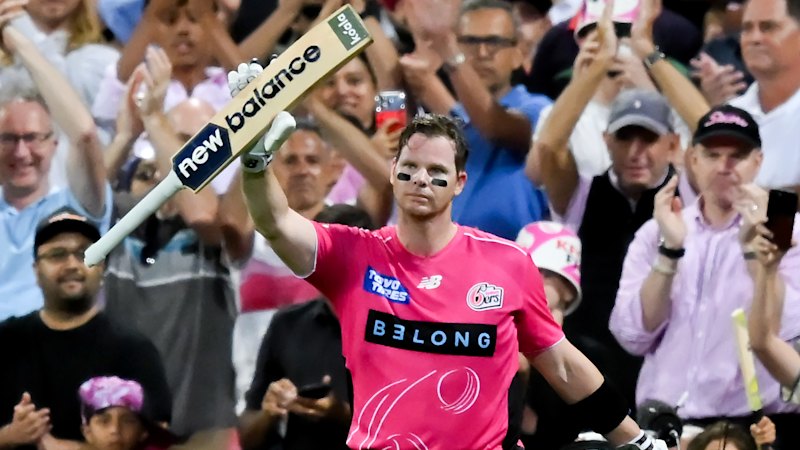
Look, the Big Bash League has been a genuine success story for Australian cricket. But right now it's stuck in the middle of a quietly fierce battle over its future, and not everyone's on the same page about which direction to take.
Cricket Australia's plan is straightforward enough on paper: sell stakes in the eight BBL clubs to private investors, pocket somewhere between six and eight hundred million dollars, and use that money to strengthen the league globally. The concept of selling 49 per cent stakes in most clubs with potentially full sales of the Sydney Thunder and Melbourne Renegades has been drawn up. Simple. Tidy. Except the states that actually run the game aren't convinced.
According to the Sydney Morning Herald's reporting, Cricket NSW has raised serious concerns in recent meetings, and Queensland Cricket's not comfortable with the current proposal either. Not quietly uncomfortable either. Queensland has written formally to CA asking for more information to base their decision on. Here's the thing about this: when your state associations start asking for more details rather than just nodding along, it means the nerves are showing.
At least two states, NSW and South Australia, are actually working up their own alternative financial models. That tells you something about the level of trust in the current proposal. Some states have also been pushing back on whether broadcasting and sponsorship deals are being maximised before anyone even thinks about flogging off the family silver. This friction isn't new either. Since 2018, states have been grumbling that they're not getting their fair share from traditional revenue streams.
The real question hanging over all this is distribution. If the money gets carved up equally among states, Victoria and NSW—which together run half the competition—won't be thrilled. That's a genuine problem when you need their votes to move forward. But here's the other side of it.
Cricket Australia has been running losses year after year. A deficit of 11.3 million dollars last financial year, and that's despite hosting touring sides from India. The global T20 market is moving faster than anyone expected. The Indian Premier League has shown what private capital can do, and the English Hundred is now privately owned. If the BBL sits still while the world moves, it risks becoming a second-rate product. That's not paranoia. That's reading the tea leaves.
Todd Greenberg, CA's chief executive, didn't deny there's been spirited debate happening behind closed doors. He made the point that refusing privatisation carries just as much risk as accepting it. "The impacts of saying no to privatisation are potentially just as big as saying yes," he said, questioning whether the BBL can keep pace with global leagues without fresh investment.
There's genuine complexity here. When Beth Mooney got picked up for nearly four hundred thousand dollars in England's Hundred this week, and Tim David fetched seven hundred and fifty thousand in the men's auction, you see the gap between what the BBL pays and what overseas leagues can throw around. Players want a bigger slice. The Australian Cricketers Association has asked for their share to rise from 27.5 per cent of revenue to over 30 per cent. It's a fair ask when your best players are being courted with serious money elsewhere.
But the states also have a point. They're the backbone of the game. They run the grassroots, fund development, and carry the risk. Selling off future profits to investors with interests that might not align with Australian cricket's long-term health—that's a genuine worry, not just bureaucratic caution. Look at how things played out in England with private ownership of Hundred teams. That's close enough to home that CA has been watching closely.
The deadline's soft. Greenberg had set an end-of-season marker, but another meeting with state CEOs is scheduled for next week. That gives everyone time to thrash out the real issues: how will the money be split, what safeguards protect Australian control of the game, and are there better ways to raise capital that don't involve selling the family silver?
At the end of the day, you've got reasonable people on both sides here. CA needs investment and wants the BBL to compete globally. States need certainty that any deal protects them, their grassroots programs, and the integrity of domestic cricket. Those positions aren't incompatible. They just need better negotiation.